← @marginalianotes
4 reviews
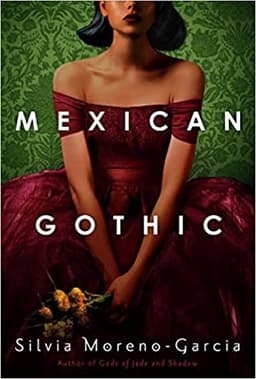
Mexican Gothic
Silvia Moreno-Garcia
Gothic horror meets postcolonial critique meets the most atmospheric haunted house since Shirley Jackson. Moreno-Garcia deserves to be a household name.
Nov 10, 2024
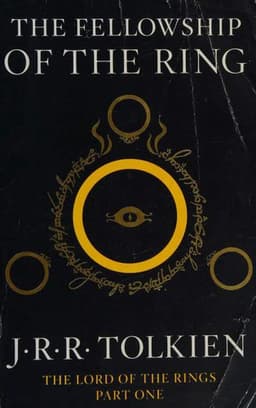
The Fellowship of the Ring
J.R.R. Tolkien
“Middle-earth is a place you inhabit, not a place you rush through.”
My fourth reread and I'm still finding new things. What strikes me this time is how much of the book is about *walking* — not just physically, but as a moral act. Frodo doesn't fight Sauron. He walks. He puts one foot in front of the other into darkness. The Tom Bombadil section is going to lose people. I know — I was one of them on my first read. But this time it felt essential — a pocket of irreducible joy in a world turning dark. Not everything has to serve the plot. Sometimes a story needs to stop and sing. The Council of Elrond is where Tolkien's genius really shows. It's essentially a committee meeting, and it's riveting. Every character brings a different perspective on the same problem, and the weight of history presses down on every word. When Frodo says 'I will take the Ring,' the silence that follows is earned because you understand exactly what it costs. The prose is slower than modern fantasy. But the slowness is the point. Middle-earth is a place you inhabit, not a place you rush through. You feel the miles. You feel the weather. You feel the ancient weight of the world pressing against every step.
Oct 3, 2024
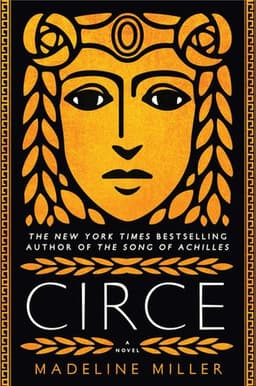
Circe
Madeline Miller
“This isn't a retelling — it's a reclamation.”
Miller does something extraordinary here: she makes Circe feel ancient and immediate at the same time. This isn't a retelling — it's a reclamation. Every page hums with the quiet fury of a woman discovering she doesn't need the gods' approval to be powerful. The prose is intoxicating without being showy. Miller knows when to let silence do the work. The scene with the pigs is horrifying because you understand exactly why she does it.
Sep 15, 2024Pinned
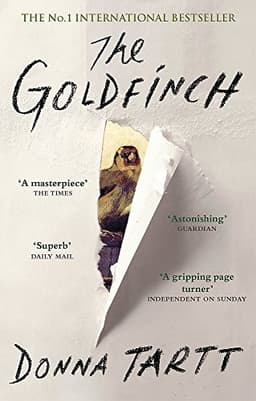
The Goldfinch
Donna Tartt
Tartt is doing something deeply unfashionable here — writing a 700-page novel about beauty, grief, and the moral weight of objects. In an era of spare, minimalist literary fiction, The Goldfinch is unapologetically maximalist. The Amsterdam section is where people lose patience, and I get it. But the messiness is the point. Theo's life is a mess. His relationships are a mess. The only clean thing in his world is a tiny painting by a Dutch master. Is it too long? Probably. Would I cut a single page? Absolutely not.
Jul 12, 2024Pinned