Margot
@marginalianotes✦Founder
Rereader. Annotator. Dog-earer of pages (fight me). Literary fiction + mythology + anything with prose that makes you stop and read a sentence twice.
Top Shelf
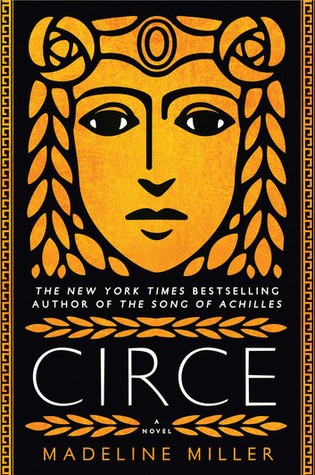
Circe
“Miller gave Circe the voice Homer never did. This is what mythology should feel like.”
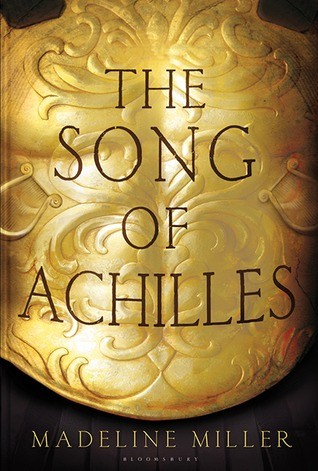
The Song of Achilles
“I sobbed on a park bench finishing this. Patroclus deserved better.”
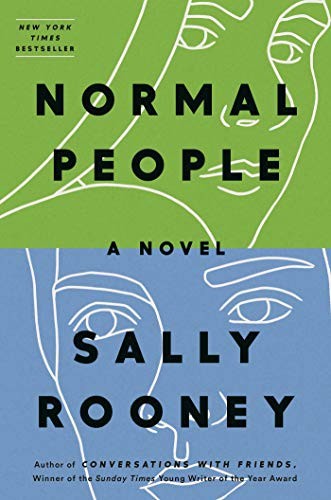
Normal People
“Rooney captures how it feels to be young and uncertain with terrifying precision.”
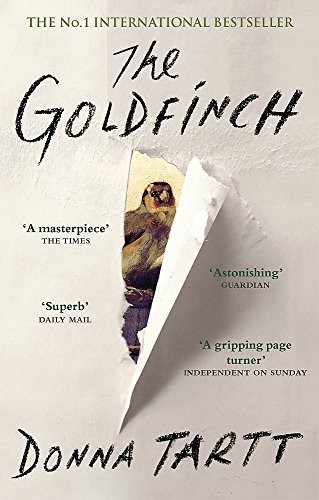
The Goldfinch
“Tartt taught me that a novel can be a painting. 771 pages and I wanted more.”
Currently Reading
Reviews
All 6 reviews →Circe
Madeline Miller
This isn't a retelling — it's a reclamation.
Miller does something extraordinary here: she makes Circe feel ancient and immediate at the same time. This isn't a retelling — it's a reclamation. Every page hums with the quiet fury of a woman discovering she doesn't need the gods' approval to be powerful.
The prose is intoxicating without being showy. Miller knows when to let silence do the work. The scene with the pigs is horrifying because you understand exactly why she does it.
Still processing this one. The structure — God, the structure. How do you write a novel that's simultaneously about a single afternoon and the entire history of a consciousness? Woolf doesn't stream consciousness, she IS consciousness on the page.
Need to sit with this longer before I can rate it. Every time I think I've landed on a tier it shifts.
The audiobook turns this from great to transcendent.
Came back to this on audiobook and Perdita Weeks’ narration transforms the experience. Lines I thought I knew by heart landed differently when spoken aloud — the incantations especially. Hearing Circe’s voice as an actual voice made the loneliness of Aiaia almost unbearable. What struck me on reread: the relationship with Telemachus. First time I was impatient for it. This time I understood that the slowness is the point. After centuries of gods who arrive like storms, she finally meets...
Tartt is doing something deeply unfashionable here — writing a 700-page novel about beauty, grief, and the moral weight of objects. In an era of spare, minimalist literary fiction, The Goldfinch is unapologetically maximalist. The Amsterdam section is where people lose patience, and I get it. But the messiness is the point. Theo's life is a mess. His relationships are a mess. The only clean thing in his world is a tiny painting by a Dutch master. Is it too...
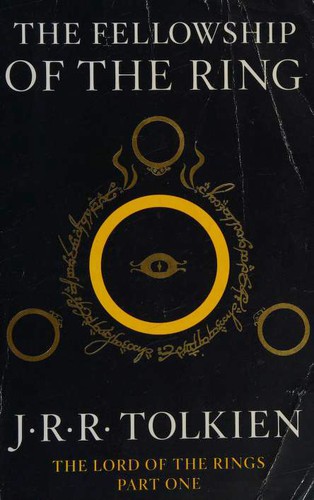
Middle-earth is a place you inhabit, not a place you rush through.
My fourth reread and I'm still finding new things. What strikes me this time is how much of the book is about *walking* — not just physically, but as a moral act. Frodo doesn't fight Sauron. He walks. He puts one foot in front of the other into darkness. The Tom Bombadil section is going to lose people. I know — I was one of them on my first read. But this time it felt essential — a pocket of...